Compare our range of glazing options for timber windows, including double glazing, Fineo vacuum glazing, acoustic glass and energy-efficient solutions. Find the right glazing to improve comfort while preserving the character of your property.
The right glazing can make a significant difference to the comfort, thermal performance, sound insulation, safety and appearance of a timber window. At SashWise, we offer a wide range of glazing options so the specification can be tailored to the window, property and priorities of each project.
For period and heritage properties, choosing the right glass is often about balancing modern performance with the proportions and character of the original windows. Options range from replacement single panes and slimline heritage double glazing to FINEO vacuum glazing, acoustic glass, privacy glass and the careful restoration or replication of decorative glazing.
The most appropriate solution will depend on the existing joinery, available glazing depth, building requirements and any planning or conservation considerations.
Where original single glazed timber windows are being serviced or fully restored, broken or cracked panes can be carefully replaced as part of the wider work.
Slimline heritage double glazed units are designed for situations where the available sash depth is too restricted for a conventional double glazed unit. They can be particularly useful when fitting new double glazed timber sashes into an original sash box or where maintaining traditional glazing proportions is important.
The existing page states that a slimline heritage unit can be accommodated within a sash as thin as 32mm and quotes U-values between 2.1 and 2.6 W/m²K. These specifications should be retained only after confirming they match the glazing systems currently supplied by SashWise.
Slimline units may also be appropriate on sensitive period properties where a standard double glazed unit would create glazing bars or profiles that are visually too heavy. Any planning or conservation requirements are considered on a project-by-project basis.
Standard double glazed units are generally used in completely new timber window installations, or where an existing window design provides sufficient depth to accommodate the glass without compromising the proportions of the joinery.
They offer strong thermal and acoustic performance and can help create a warmer internal glass surface, reducing the likelihood of condensation forming on the pane.
The current page states that SashWise typically uses 20mm or 22mm units with U-values of 1.1 to 1.3 W/m²K and incorporates a white warm-edge spacer to make the perimeter of the unit less visually intrusive. These specifications should be confirmed against the products currently used before publication.
Vacuum glazing uses a very narrow vacuum cavity between two panes of glass to provide high levels of thermal insulation within an exceptionally slim profile.
This can make it particularly useful for traditional timber windows where the depth and appearance of conventional double glazing would be difficult to accommodate. FINEO Vacuum Glazing is SashWise's specialist vacuum-glazing option and has its own dedicated page covering the technology and benefits in more detail.
The existing page quotes an overall FINEO thickness of 6.7mm and a U-value of 0.7 W/m²K.
FINEO specification. Its suitability for listed buildings should always be described as project-specific and subject to any necessary permissions.
For more information on Vacuum Glazing see our dedicated FINEO page.
Wibble or restoration glass is a modern reproduction of traditional period glass, with subtle irregularities and movement that recreate the character of historic glazing.
It can be particularly effective in period and heritage properties where perfectly flat modern glass would look out of place. Depending on the chosen glazing system, restoration glass can also be incorporated into a double glazed unit, allowing traditional visual character to be combined with improved thermal performance.
Explore our dedicated Wibble Restoration Glass page for more information.
Toughened glass - retain the safety explanation and use in new joinery, but confirm the statement that SashWise uses toughened glass in ALL new joinery before retaining the absolute wording.
Laminated glass is a type of safety glass constructed of two layers of glass which are bonded together by a thin polymer interlayer. Should one of the panes of glass break the interlayer holds the shards of glass in place giving a “spider web” effect.
Whilst laminated glass is heavier and not as strong as toughened glass it does have the advantage of providing excellent Ultra-Violent Protection. Laminated glass can absorb up to 99% of the damaging UV rays which can be responsible for 50% of fading.
Where clients have been concerned about the damage to interior furnishings and fittings we have incorporated laminated glass within a double glazed unit.
Similar to laminated glass, acoustic glass consists of two layers of glass bonded together by a polymer interlayer. The interlayer increases the sound insulation by absorbing the vibrations generated by the sound waves.
Acoustic glass is very effective at reducing external noises such as traffic, people talking, dogs barking and general street sounds. It can be a very beneficial to help reduce stress levels, improve general health sleeping patterns.
Acoustic glass can be incorporated within a double glazed unit thereby combining both the benefits of extra sound insulation alongside excellent thermal performance.
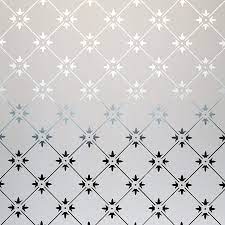
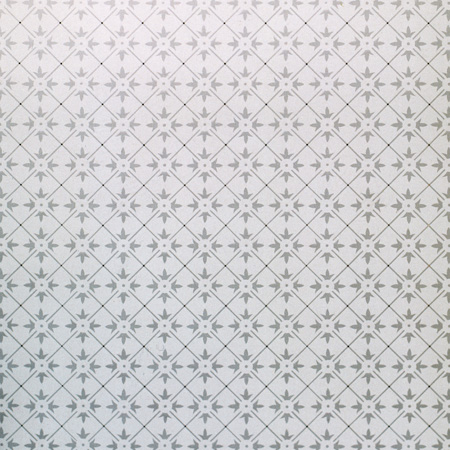
Etched glass or commonly referred to as frosted glass, is glass that has undergone a process typically sandblasting to create a level of opacity.
Etched glass is primarily used where an additional level of privacy is required without blocking out natural light. It is most commonly used in bathrooms, en-suites and cloakrooms or to help obscure an unsightly view.
The level of opaqueness can vary from having the glass completely sandblasted to give a satin finish to incorporating a clear design within the glass etching. Popular designs for period properties being ‘Fleur’ and ‘Double Fleur’.
Etched glass can be used in the construction of a double glazed unit, thereby combining both privacy with improved thermal insulation.
At SashWise we are very sympathetic to the desire to improve the thermal efficiency of our period properties whilst not losing any of the historical architectural character that is often so dear to us. This is particularly important when it comes to preserving original panels of stained glass.
Original panes of stained glass are often in a poor state of repair and very draughty with missing or cracked pieces of coloured glass and degraded lead work. But worry not, at SashWise we have the perfect solution.
We carefully remove the stained glass panels from their timber frames and then send them to a specialist stained glass restorer who returns them to their former glory. We are then able to encapsulate the beautifully resorted panel within a double glazed unit which we can fit into a new timber sash. Thereby not only preserving the original feature of the window but drastically improving the thermal efficiency.
Where restoring and encapsulating the original stained glass is not a viable option. It is possible to replicate the original design of the glass on a new double glazed unit using a coloured films and bonded on lead work. This also opens up the possibilities of clients designing their own stained glass, such as this previous client who was a hot air ballooning enthusiast.
Original single glazed leaded glass is notoriously poor when it comes to thermal efficiency. But that does not mean this original feature to your windows needs to be lost.
We can replicate the design of the original leaded glass on a double glazed unit. This is achieved by bonding strips of lead onto the glass and using soldered joints in the same ways as the original leaded pattern was constructed. This gives an authentic look unlike the poor leaded imitations often seen in uPVC windows.
Please call us on 0208 977 4627 or complete the form below.
Not sure which glazing option is right for your windows?
You do not need to choose a glazing specification before speaking to us. The right option depends on the existing timber window, the depth available for the glass, the age and character of the property, thermal and acoustic priorities and any planning considerations.
During the survey we can assess these factors and recommend a glazing solution that balances performance with the appearance and construction of your windows.
We're always happy to discuss your timber window and door needs. Whether you're looking for advice, a detailed quote, or simply want more information about our services, our friendly team is here to help.